The power of true charity: local Salvadoran couple follows TLAU’s example
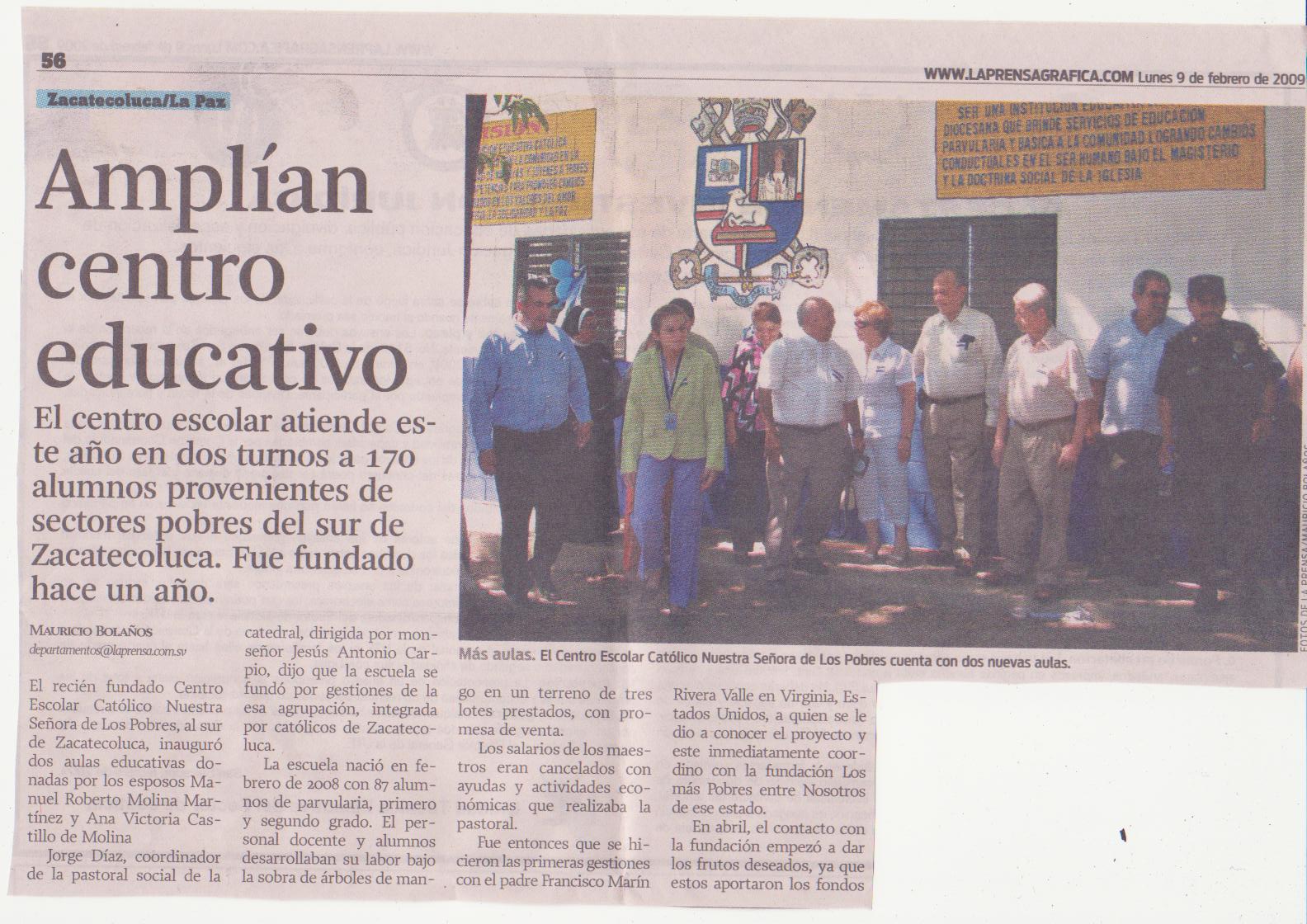 Oh, the ramifications of the virtue of charity! It’s like dropping a stone in standing water and standing back to watch the concentric ripples expand. Just as that tiny falling pebble affects the stillness of a large mass of water, even remote and anonymous acts of selfless good-will will cause the hardest of hearts to yield to God’s call.
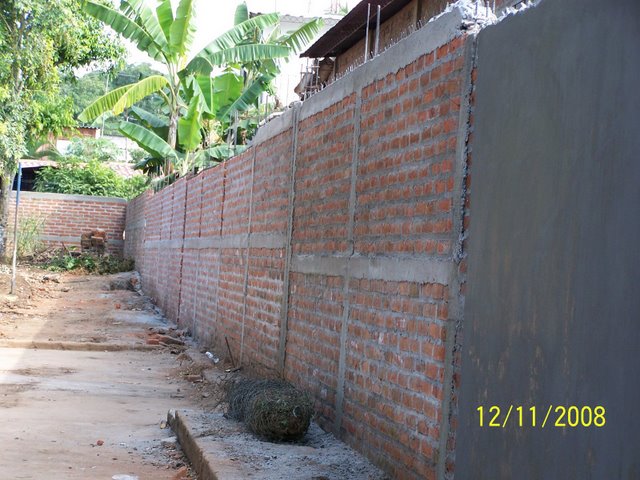
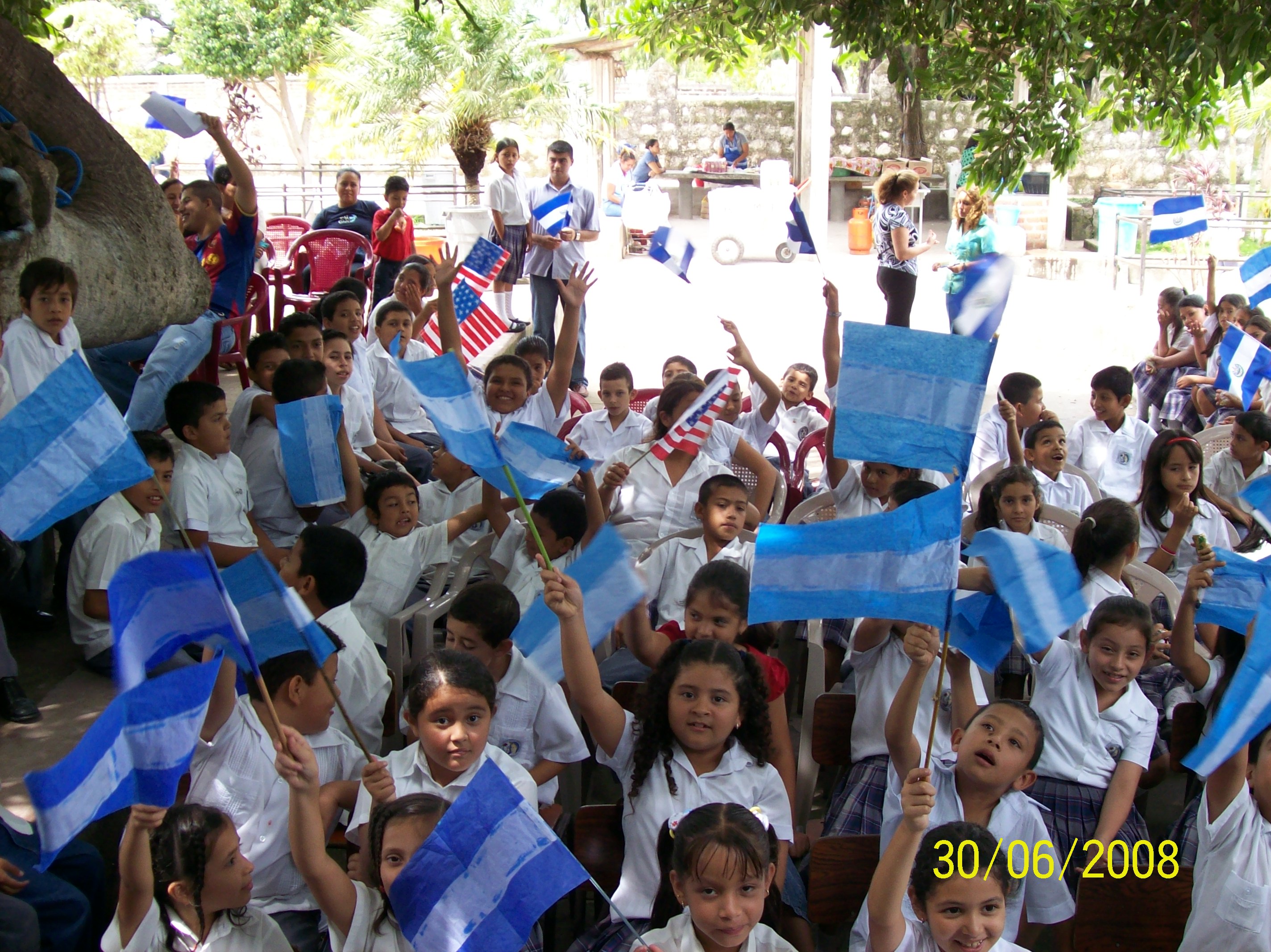
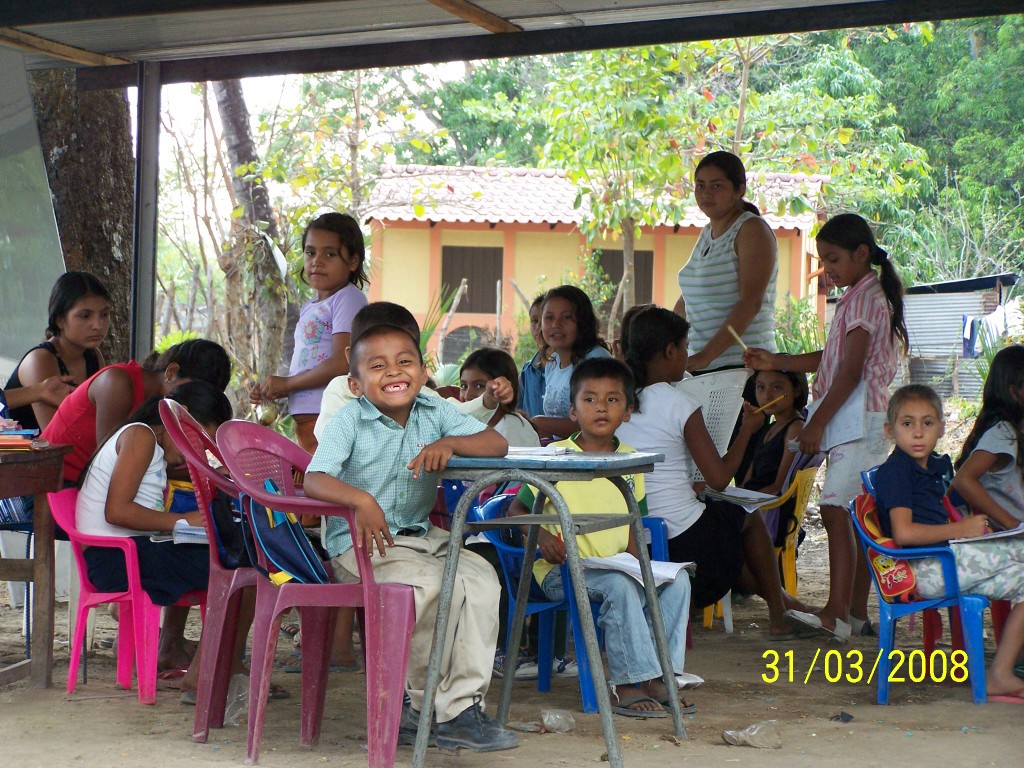
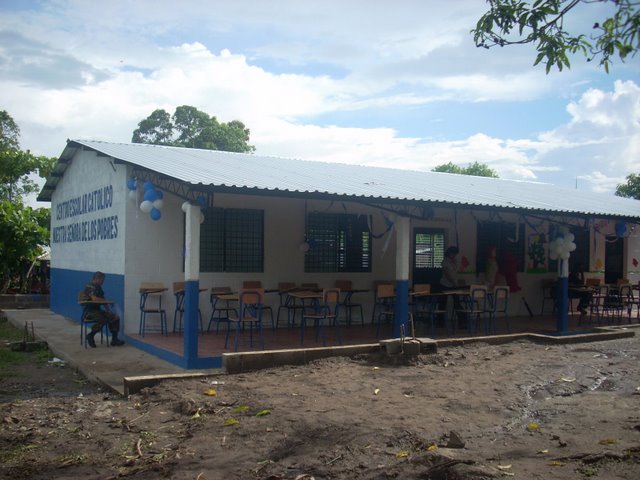
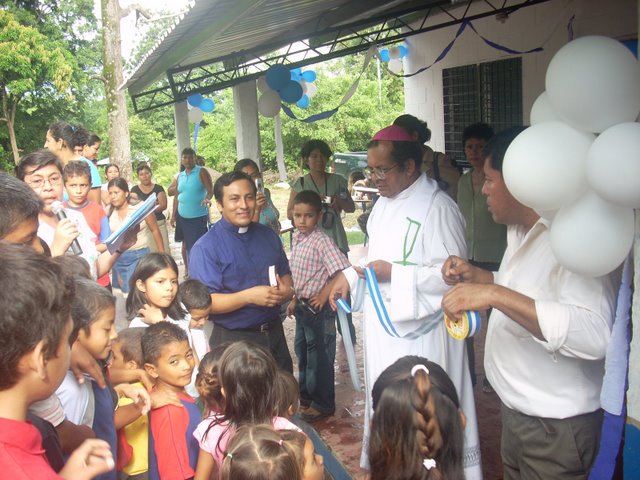
That’s not to say that Manuel Roberto Molina Martinez and Ana Victoria Castillo de Molina have “corazones de piedro.” In fact, all it took was an article in El Salvador’s national newspaper, La Prensa Grafica, about TLAU’s work at the Centro Escolar Nuestra Senora de los Pobres (see the original post; this story is recounted in a subsequent article pictured to the left). The successful business-owning couple saw a need that, if addressed, would give hope to 170 very poor children that would otherwise find it more than easy to live a life of delinquency. So they did what each and every TLAU donor has done and, I pray, will continue to do: something. They paid for two more classrooms to complete a facilities plan that most of the school’s organizers probably thought was never going to be executed for lack of funds. That was one year ago, and by Salvadoran standards, that’s called light speed.
Folks, I hope you grasp how truly awesome this is. Keep it up.
Oh, and the last part of the article can be found here. One day if I have time I’ll do a little rag-tag translating.
 Thanks to my parents, Leonard and Sharon Nelson, I will be spending my spring break driving around El Salvador with Walter. It’s been almost two years (or more) since I’ve visited, a fact that is only contributing to the excitement. How funny it is that I have grown so fond of a country and culture that at one time appeared so strange that it frightened me.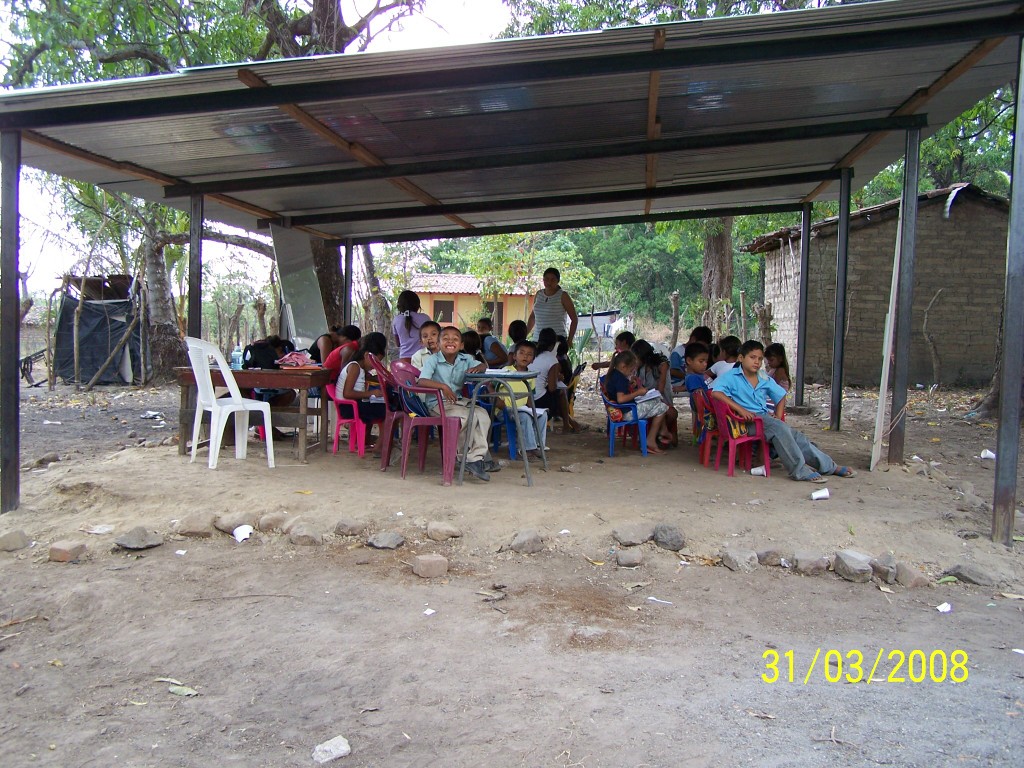
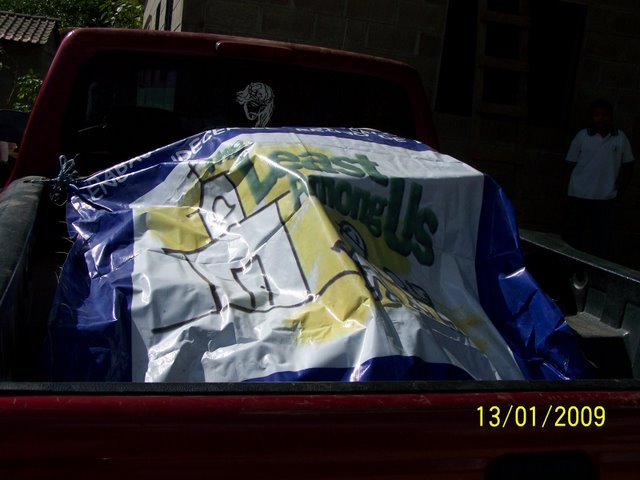 Walter sent a few photos of the packets of school supplies handed out to the needy children of Centro Escolar Nuestra Señora de los Pobres in Zacatecoluca (see
 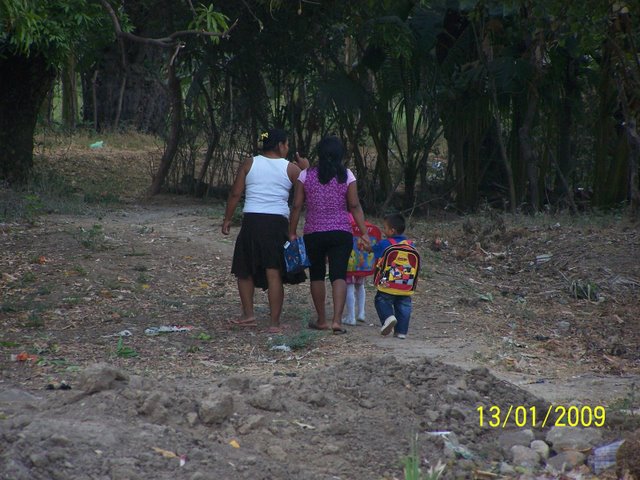 arts in January, 100 of the school’s smallest students received a small bookbag or “mochila” containing a notebook, crayons, pens, and pencils.